AI smart home automation transforms regular homes into intelligent living spaces that learn your habits and make daily life easier. This guide is perfect for tech newcomers ready to upgrade their homes with smart technology but unsure where to start.
Smart home automation in 2026 has become more affordable and user-friendly than ever. You don’t need to be a tech expert to enjoy the benefits of automated lighting, climate control, and security systems that respond to your needs.
We’ll explore smart lighting systems that automatically adjust based on your daily schedule and intelligent climate control that keeps you comfortable while cutting energy costs. You’ll also discover voice-controlled entertainment setups and AI-powered security monitoring that gives you peace of mind when you’re away from home.
Each idea includes practical setup advice and real-world benefits, so you can choose the automation features that make the biggest difference in your daily routine.
Smart Lighting Systems That Respond to Your Daily Routine
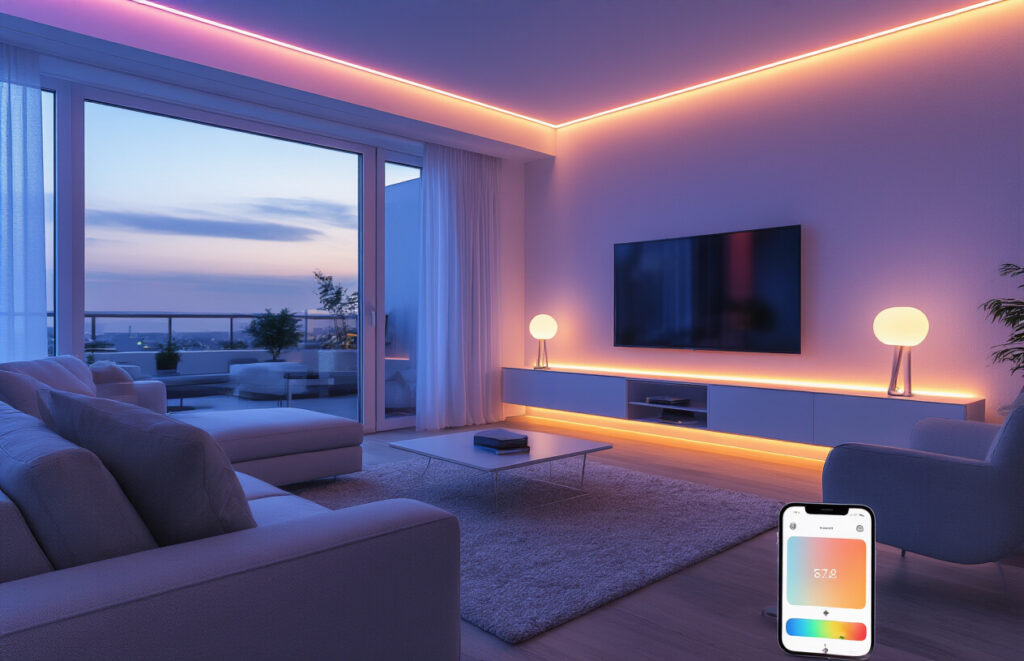
Voice-activated lighting controls for hands-free convenience
Voice-controlled smart lights transform how you interact with your home’s lighting system. Simply tell your smart speaker or phone to “dim the living room lights to 30%” or “turn off all bedroom lights” and watch as your home responds instantly. Popular systems like Amazon Alexa, Google Assistant, and Apple HomeKit work seamlessly with brands like Philips Hue, LIFX, and Sengled bulbs.
The real magic happens when you create custom voice commands for different scenarios. Say “movie time” to automatically dim your lights to the perfect level for watching films, or use “good morning” to gradually brighten your bedroom lights while you wake up. You can even control lights from different rooms without leaving your current location – perfect for parents putting kids to bed or when you’re cooking with messy hands.
Setting up voice control takes just minutes through your smart home app. Most systems learn your preferences over time, making suggestions for new automation based on your usage patterns. The convenience factor alone makes this investment worthwhile, especially for people with mobility challenges or busy families juggling multiple tasks.
Automated sunrise and sunset scheduling for natural circadian rhythms
Smart lighting systems can mimic natural sunlight patterns to support your body’s internal clock. These systems automatically adjust color temperature and brightness throughout the day, starting with cool blue light in the morning to help you feel alert, then shifting to warm amber tones in the evening to prepare your body for sleep.
Research shows that exposure to the right light at the right time can improve sleep quality, boost mood, and increase productivity. Smart bulbs like Philips Hue and LIFX offer circadian rhythm features that sync with your local sunrise and sunset times. You can customize the timing based on your schedule – night shift workers can program their lights to follow a different cycle that matches their sleep patterns.
The setup process involves selecting your location in the app so the system knows your local sunrise and sunset times. Advanced users can fine-tune the color temperatures and brightness levels for different times of day. Many people notice improvements in their sleep patterns within just a few weeks of using circadian lighting.
Motion-sensor lights for energy efficiency and security
Motion-activated smart lights offer a perfect blend of convenience, security, and energy savings. These systems use PIR (passive infrared) sensors to detect movement and automatically turn lights on when you enter a room and off when you leave. Modern motion sensors are sophisticated enough to distinguish between pets, people, and environmental factors like moving curtains.
For energy efficiency, motion sensors prevent lights from staying on in empty rooms – a common household waste that can add up to significant electricity costs over time. Smart motion lights often include adjustable sensitivity settings and timers, so you can customize how long lights stay on after detecting movement.
From a security perspective, motion-activated exterior lights deter intruders while providing safe passage for residents arriving home after dark. Indoor motion lights create the appearance that someone is home even when you’re away. Popular options include the Ring Smart Lighting system, Philips Hue motion sensors, and standalone smart bulbs with built-in motion detection.
Installation varies by product – some require hardwiring while others work with existing fixtures and standard bulb sockets. Battery-powered options offer flexibility for areas without electrical connections.
Color-changing bulbs for mood enhancement and productivity
Color-changing smart bulbs open up endless possibilities for customizing your home’s atmosphere. These LED bulbs can display millions of colors and adjust brightness levels to match your activities, mood, or time of day. Whether you want energizing blue light for morning workouts or relaxing purple tones for evening meditation, color-changing bulbs deliver instant ambiance control.
Different colors affect your brain and body in specific ways. Blue light increases alertness and focus – perfect for home offices or study areas. Green light reduces eye strain during computer work. Red light preserves night vision and doesn’t interfere with melatonin production. Warm white light creates a cozy, comfortable atmosphere for relaxation.
Smart bulb apps offer preset color scenes for common activities like “Focus” (bright white), “Relax” (warm amber), “Energize” (cool blue), and “Party” (rotating colors). You can also create custom scenes that match your specific preferences or sync lights with music, movies, or video games for immersive entertainment experiences.
Popular color-changing options include Philips Hue, LIFX, Govee, and TP-Link Kasa bulbs. Most work with standard light fixtures and connect to your Wi-Fi network for smartphone control. Advanced features include music sync, holiday themes, and integration with other smart home devices for comprehensive automation scenarios.
Intelligent Climate Control for Maximum Comfort and Savings
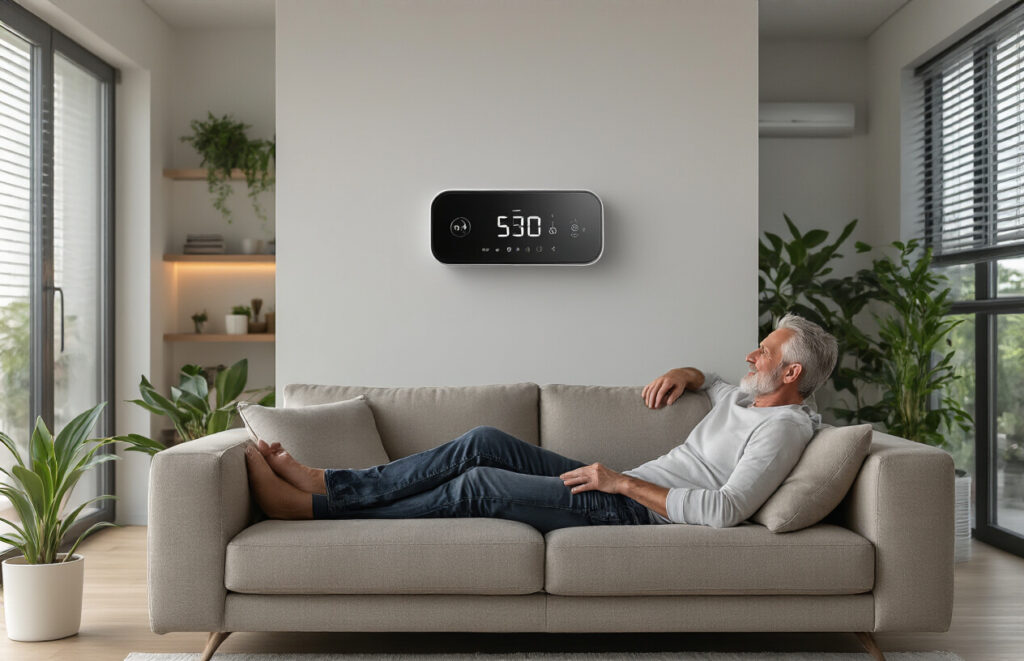
Learning thermostats that adapt to your schedule automatically
Smart thermostats have transformed how we control home temperatures by learning your daily patterns and preferences without constant manual adjustments. These devices track when you’re home, asleep, or away, then automatically create heating and cooling schedules that match your lifestyle. The Nest Learning Thermostat, Ecobee SmartThermostat, and Honeywell Home T9 are leading options that use advanced algorithms to predict your needs.
The real magic happens after about a week of usage. Your thermostat begins recognizing patterns like when you typically wake up, leave for work, and return home. It preemptively adjusts temperatures so your house feels comfortable when you arrive, while avoiding energy waste when you’re away. Most models can reduce energy costs by 10-15% through these optimized schedules.
Geofencing capabilities take automation further by detecting your phone’s location. When you’re driving home from work, your thermostat automatically switches from away mode to your preferred home temperature. This seamless integration means you never walk into an uncomfortably hot or cold house again.
Key features to look for:
Learning algorithms that improve over time
Smartphone app control and scheduling
Integration with voice assistants (Alexa, Google Assistant)
Energy usage reports and savings tracking
Room sensors for multi-zone control
Smart air purifiers that monitor and improve indoor air quality
Indoor air quality directly impacts your health and comfort, making smart air purifiers essential for modern homes. These devices continuously monitor pollutant levels, allergens, and air particles, automatically adjusting their operation to maintain optimal air quality. Unlike traditional purifiers that run at fixed speeds, smart models respond dynamically to real-time conditions.
The Dyson Pure Cool series, Levoit Core 400S, and Coway Airmega Smart models feature built-in sensors that detect PM2.5 particles, volatile organic compounds (VOCs), and other harmful substances. When pollution levels spike from cooking, cleaning products, or outdoor air, these purifiers instantly increase fan speed to clear the air faster.
Mobile apps provide detailed air quality insights, showing pollution trends throughout the day and identifying specific triggers. You’ll discover that cooking breakfast spikes particle levels, or that pollen counts are highest during certain hours. This data helps you make informed decisions about when to open windows or use exhaust fans.
Smart features that make a difference:
Real-time air quality monitoring with color-coded indicators
Automatic fan speed adjustment based on pollution levels
Filter replacement notifications and tracking
Sleep modes that operate quietly at night
Integration with weather apps for pollen and outdoor air quality alerts
Automated window blinds for temperature regulation
Smart window coverings work as your home’s passive climate control system, automatically adjusting throughout the day to maintain comfortable temperatures while reducing energy costs. These motorized blinds and shades respond to sunlight intensity, outdoor temperature, and your preset schedules to optimize natural heating and cooling.
During summer months, automated blinds close when direct sunlight hits windows, preventing excessive heat buildup that forces your air conditioning to work harder. In winter, they open during sunny periods to capture free solar heating, then close when the sun sets to provide insulation against cold windows. This natural temperature regulation can reduce HVAC energy usage by 20-30%.
Lutron Serena, Hunter Douglas PowerView, and IKEA Fyrtur offer different price points and features for automated window treatments. Premium models include light sensors that measure actual sunlight intensity, while budget options work on simple time schedules. Many integrate with existing smart home systems, allowing coordination with thermostats and lighting for complete environmental control.
Installation and setup considerations:
Measure windows accurately for proper fit
Choose between battery-powered or hardwired motors
Consider solar charging options for hard-to-reach windows
Plan automation schedules based on sun patterns and room usage
Test manual override functions for flexibility
The combination of smart thermostats, air purifiers, and automated blinds creates a comprehensive climate control ecosystem that adapts to your needs while maximizing energy savings.
Voice-Controlled Entertainment and Media Management
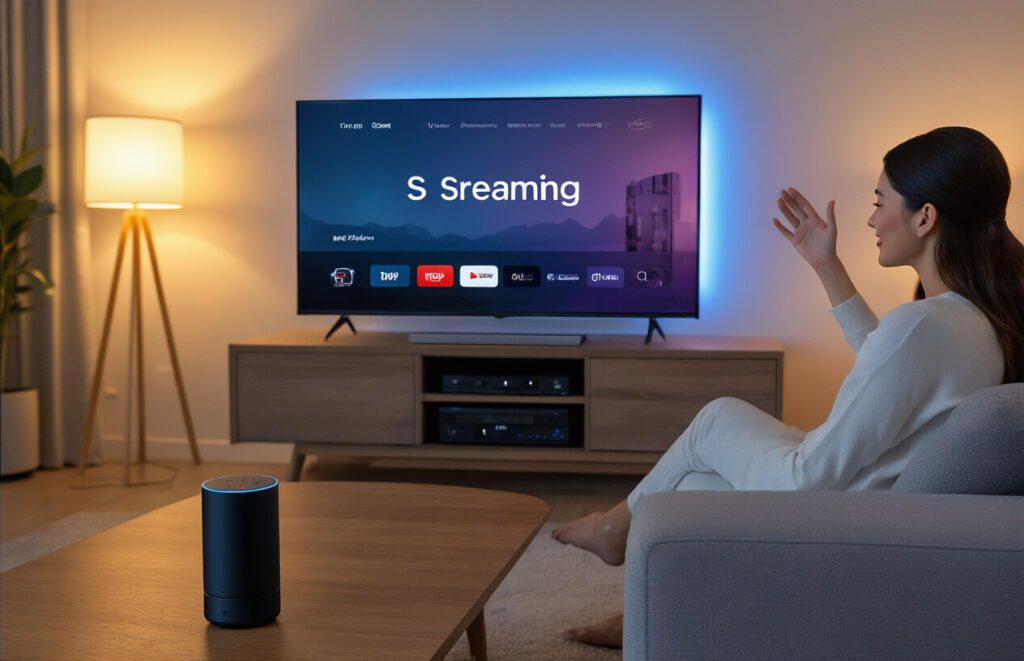
Smart speakers for seamless music streaming throughout your home
Transform your living space into a connected audio paradise with strategically placed smart speakers that create a whole-home music experience. Modern AI-powered speakers like Amazon Echo, Google Nest, and Apple HomePod can sync across multiple rooms, letting you start a playlist in the kitchen and have it follow you seamlessly to the living room or bedroom.
The magic happens when you set up speaker groups through your chosen ecosystem. Create zones like “Downstairs,” “Master Suite,” or “Party Mode” that activate multiple speakers simultaneously. Your AI assistant learns your music preferences over time, suggesting new artists based on your listening habits and even adjusting volume levels based on the time of day.
Advanced features include automatic audio calibration that adapts sound quality to each room’s acoustics, and smart crossfading that ensures smooth transitions when moving between rooms. Many speakers now offer multi-user recognition, so when you ask for “my morning playlist,” the system knows exactly which user is speaking and plays their personalized selection.
The setup process has become remarkably simple – most speakers connect to your WiFi network in under five minutes and automatically discover other compatible devices in your home. Voice commands like “play jazz in the kitchen and dining room” or “turn up the volume everywhere except the baby’s room” make controlling your audio environment effortless.
Universal remote control through voice commands for all devices
Ditch the drawer full of remote controls and embrace the simplicity of voice-controlled device management. AI-powered universal remotes and smart hubs can control virtually any device in your entertainment setup, from TVs and streaming boxes to gaming consoles and sound systems, all through simple voice commands.
Smart hubs like the Harmony Hub or newer AI-integrated solutions learn the infrared codes for your devices and translate your voice commands into the appropriate signals. Say “watch Netflix” and your system automatically turns on the TV, switches to the correct input, powers up your streaming device, and launches the Netflix app – all in the proper sequence.
The real game-changer is contextual understanding. Modern systems recognize commands like “make it louder” when you’re watching TV, “pause this” when music is playing, or “switch to the game” during sports season. They remember your preferences too – if you always watch the evening news at 6 PM, a simple “turn on the news” command knows exactly which channel and volume level you prefer.
Voice control works with gaming systems, cable boxes, and even older devices through smart IR blasters. Set up activity-based commands like “movie night” that dims the lights, closes the blinds, turns on the TV and sound system, and queues up your streaming service of choice. The learning algorithms adapt to your usage patterns, making suggestions and automating routine actions without being asked.
Automated TV scheduling and content recommendations
Let artificial intelligence become your personal entertainment curator, automatically scheduling recordings and suggesting content that matches your viewing preferences. Modern smart TV systems and streaming platforms use sophisticated algorithms that analyze your watching habits, preferred genres, and viewing times to create a personalized entertainment experience.
AI-powered content recommendation engines go beyond simple “because you watched” suggestions. They consider factors like the time of day, day of the week, who’s watching, and even your mood based on recent viewing patterns. If you typically watch comedies on Friday evenings but prefer documentaries on Sunday afternoons, your system learns these patterns and adjusts recommendations accordingly.
Automated scheduling features can record entire seasons of shows you enjoy, skip reruns you’ve already seen, and even record similar programs you might like. Some systems analyze social media trends and critic reviews to suggest trending content before it becomes mainstream. Voice commands like “record anything with Tom Hanks” or “find me something funny for tonight” trigger intelligent searches across multiple platforms and services.
The technology extends to managing multiple user profiles within the same household. Kids’ profiles automatically filter age-appropriate content, while adult profiles can schedule late-night programming. Smart systems even pause ongoing shows when they detect you’ve fallen asleep, resuming playback the next day right where you left off. Integration with calendar apps means your system knows when you’re traveling and can adjust recording schedules or compile a “watch later” list for your return.
Enhanced Home Security with AI-Powered Monitoring
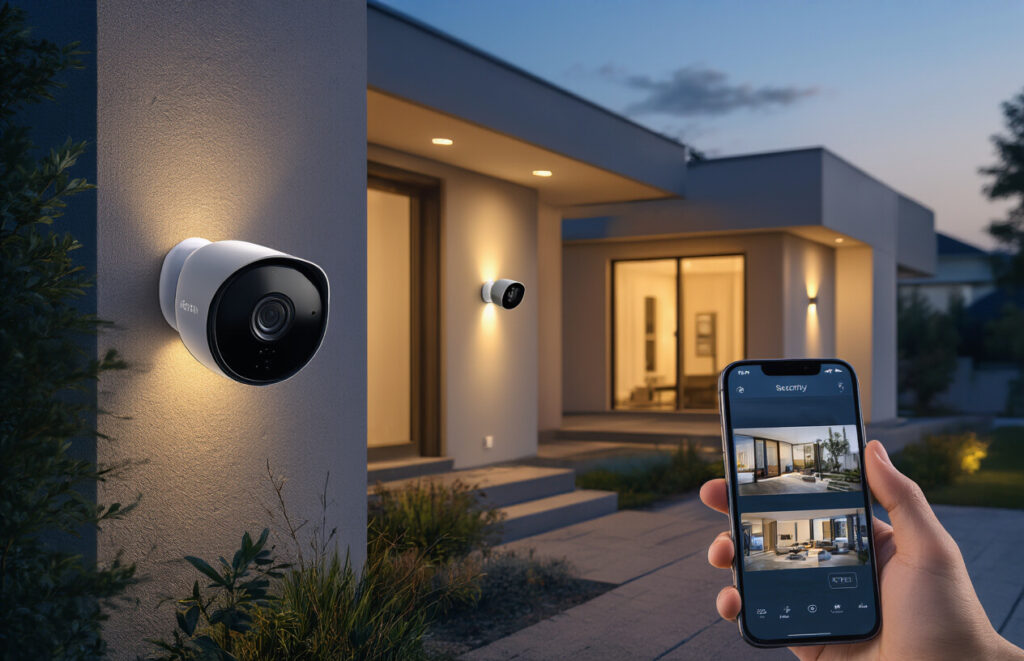
Smart doorbell cameras with facial recognition technology
Smart doorbell cameras have revolutionized home security by combining traditional doorbell functionality with advanced AI-powered surveillance. These devices capture high-definition video of anyone approaching your front door while using sophisticated facial recognition algorithms to identify familiar faces versus strangers.
Modern smart doorbells can distinguish between family members, friends, delivery personnel, and unknown visitors. When someone rings your doorbell, the system instantly analyzes their face against your pre-programmed database and sends customized alerts to your smartphone. For example, you might receive a notification saying “Mom is at the front door” rather than just “Motion detected.”
The learning capability of these systems gets better over time. They adapt to changes in appearance, lighting conditions, and even recognize people wearing masks or sunglasses. Many models also feature two-way audio, allowing you to communicate with visitors remotely, whether you’re upstairs or across the country.
Premium models offer additional features like package detection, loitering alerts, and integration with smart locks for seamless access control. The combination of visual verification and instant notifications means you always know who’s at your door before deciding whether to answer.
Automated door locks that grant access to trusted individuals
Smart locks eliminate the need for physical keys while providing granular control over who enters your home and when. These AI-enhanced systems recognize authorized users through multiple methods including fingerprint scanning, facial recognition, smartphone proximity, or unique access codes.
The real power lies in their ability to create personalized access schedules. Your cleaning service can only enter on Tuesdays between 10 AM and 2 PM, while your teenage kids have unrestricted access during after-school hours but face restrictions during school time. House guests receive temporary codes that automatically expire after their visit.
Advanced models learn from usage patterns and can detect anomalies. If someone typically enters through the front door but suddenly uses the back entrance at an unusual hour, the system can trigger additional security protocols or send alerts for verification.
Integration with other smart home devices creates powerful automation scenarios. When an authorized person unlocks the door, the system can automatically disarm the security system, turn on lights, adjust the thermostat, or start playing their preferred music playlist.
Window and door sensors for complete perimeter protection
Comprehensive home security requires monitoring every potential entry point, not just the front door. Smart window and door sensors create an invisible security net around your entire home perimeter, instantly detecting when any access point opens unexpectedly.
These tiny, wireless sensors attach discreetly to windows, doors, sliding glass panels, and even cabinets containing valuable items. They use magnetic field technology to detect separation between the sensor and its magnet, immediately triggering alerts when a protected opening occurs.
AI algorithms analyze sensor data to distinguish between normal and suspicious activity. The system learns that your bedroom window opens every morning for fresh air but recognizes that the same window opening at 2 AM warrants immediate attention. This intelligent filtering reduces false alarms while maintaining vigilant protection.
Modern sensors also monitor environmental conditions like temperature and humidity, providing early warnings for issues like frozen pipes or basement flooding. Battery life typically extends 2-3 years, and the system alerts you well before replacement is needed.
Real-time alerts and monitoring from anywhere in the world
The true value of AI-powered home security lies in its ability to keep you connected and informed regardless of your physical location. Real-time monitoring transforms your smartphone into a comprehensive security command center, delivering instant notifications and live video feeds from anywhere with internet connectivity.
Smart alert systems use machine learning to prioritize notifications based on threat levels and your preferences. Routine activities like your spouse arriving home won’t interrupt your important meeting, but unexpected motion in the basement at midnight will immediately grab your attention with urgent notifications.
Modern systems offer multiple communication channels including push notifications, text messages, emails, and even phone calls for critical alerts. You can customize alert types for different family members – perhaps your partner receives notifications about package deliveries while you get security-related alerts.
Cloud storage ensures continuous recording and backup, so you never lose critical footage. Many services offer 24/7 professional monitoring options where trained security personnel can assess threats and contact emergency services on your behalf when you’re unreachable.
The ability to monitor and control your home security from anywhere provides incredible peace of mind, whether you’re at work, on vacation, or simply want to check on things before going to sleep.
Kitchen Automation That Simplifies Meal Preparation
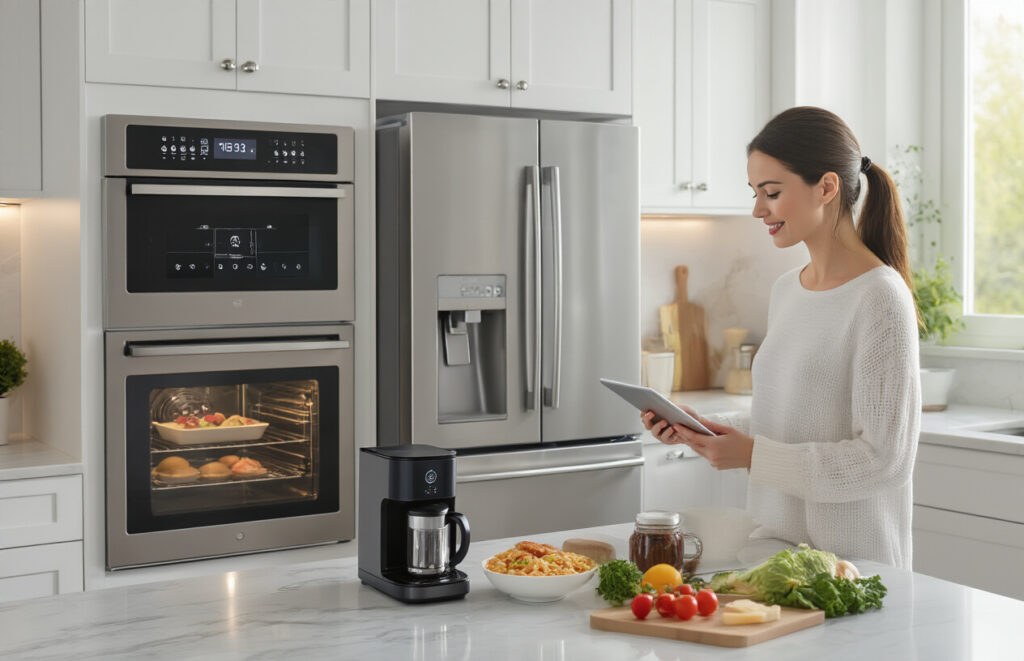
Smart Refrigerators That Track Expiration Dates and Suggest Recipes
Smart refrigerators have become the command center of modern kitchens, transforming how we manage food storage and meal planning. These intelligent appliances use internal cameras and barcode scanning to track everything inside, automatically monitoring expiration dates and freshness levels. When you’re running low on milk or your yogurt is about to expire, your fridge sends notifications directly to your smartphone.
The recipe suggestion feature takes meal planning to another level. Your refrigerator analyzes available ingredients and recommends recipes based on what’s actually in your kitchen. No more staring into an open fridge wondering what to cook – the AI suggests complete meals using ingredients you already have. Popular models like Samsung’s Family Hub and LG’s InstaView ThinQ connect with recipe apps and grocery delivery services, creating seamless meal planning experiences.
These smart fridges also learn your eating habits over time. If you typically cook Italian food on Sundays or prefer quick weeknight meals, the AI adapts its suggestions accordingly. Some models even connect with meal planning apps like Yummly or AllRecipes, automatically adding missing ingredients to your shopping list when you select a recipe.
Voice-Controlled Cooking Timers and Recipe Assistance
Voice assistants have revolutionized hands-on cooking by keeping your hands free while providing step-by-step guidance. Amazon Alexa, Google Assistant, and Apple’s Siri can set multiple named timers simultaneously – perfect when you’re juggling pasta, sauce, and garlic bread. Simply say “Set a 12-minute timer for pasta” and “Set a 5-minute timer for garlic bread,” and your assistant tracks everything separately.
Recipe assistance goes far beyond basic timers. Voice assistants read recipes aloud, convert measurements on command, and answer cooking questions while your hands are messy. Ask “How many tablespoons in a quarter cup?” or “What temperature should I cook chicken to?” and get instant answers without stopping to search your phone.
Advanced cooking assistants integrate with smart appliances. Samsung’s Bixby can preheat your oven, adjust cooking times based on your oven’s performance, and even suggest temperature modifications for high-altitude cooking. Some voice assistants connect with smart scales, automatically calculating ingredient proportions when you double or halve recipes.
The real magic happens when voice assistants learn your cooking style. They remember your preferred cooking times, suggest modifications based on past feedback, and can even restart timers if you miss them while busy with other tasks.
Automated Coffee Makers That Brew Your Perfect Cup on Schedule
Smart coffee makers have perfected the art of morning automation, brewing your perfect cup exactly when you want it. These devices connect to your home’s Wi-Fi network, allowing remote control through smartphone apps. Schedule brewing times, adjust strength settings, and even start brewing from bed on lazy weekend mornings.
Advanced models like the Behmor Connected Brewer and Hamilton Beach FlexBrew learn your preferences over time. They remember your ideal brew strength, water temperature, and timing preferences for different days of the week. Want stronger coffee on Monday mornings but prefer lighter roasts on weekends? Your coffee maker adapts automatically.
Integration with smart home ecosystems creates truly seamless experiences. Connect your coffee maker to motion sensors or smart alarms, and brewing starts automatically when you wake up. Some systems sync with sleep tracking apps, timing your coffee to finish brewing as you naturally wake up during lighter sleep cycles.
Smart coffee makers also monitor supply levels, ordering replacement filters and even coffee beans when supplies run low. Premium models feature built-in grinders with precise timing controls, ensuring consistently fresh coffee every morning. The convenience extends beyond brewing – many smart coffee makers send maintenance reminders and can diagnose issues before they affect your daily cup.
Intelligent Water Management for Conservation and Convenience
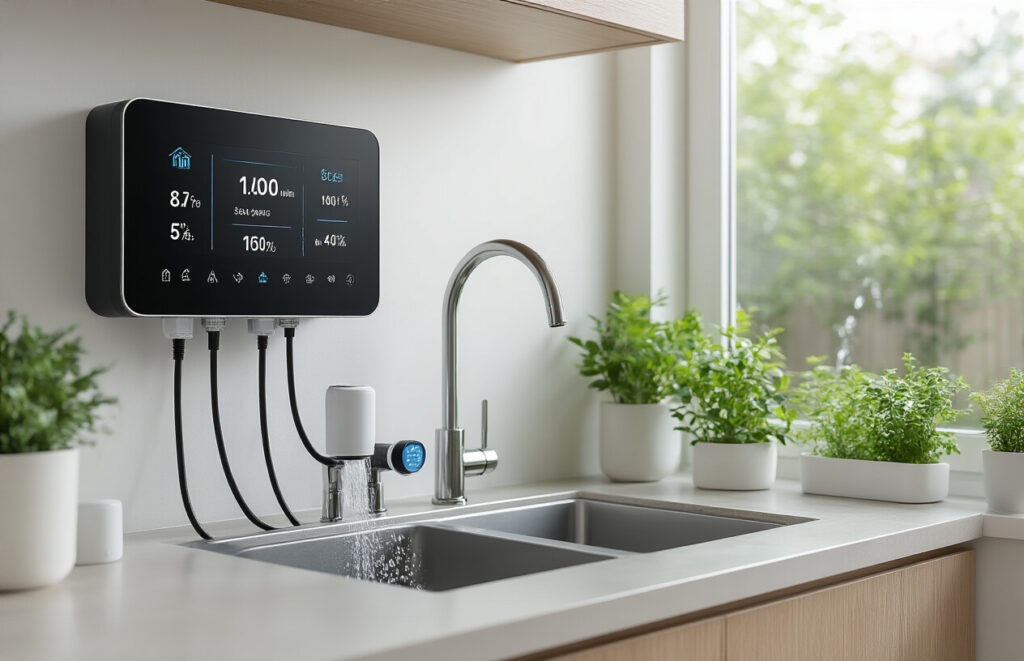
Smart irrigation systems that adjust to weather conditions
Modern smart irrigation controllers have transformed how homeowners maintain their lawns and gardens while dramatically reducing water waste. These AI-powered systems connect to local weather data and soil moisture sensors to create personalized watering schedules that adapt automatically to changing conditions.
The most impressive feature of these systems is their ability to skip watering cycles when rain is forecasted or when soil moisture levels are adequate. Popular controllers like Rachio and Rain Bird use real-time weather information to determine precise watering needs, often reducing water usage by 30-50% compared to traditional sprinkler timers.
Setup involves replacing your existing sprinkler timer with a smart controller and installing soil moisture sensors throughout your landscape zones. The system learns your garden’s specific needs over time, accounting for factors like:
Plant types and their water requirements
Soil composition and drainage rates
Sun exposure and microclimates
Seasonal growing patterns
Local rainfall patterns and humidity
Many systems integrate with popular smart home platforms, allowing you to monitor and adjust watering schedules remotely through smartphone apps. Advanced models even provide detailed reports showing water savings and suggesting optimizations for different plant zones.
Leak detection sensors that prevent costly water damage
Water damage ranks among the most expensive home insurance claims, making leak detection sensors a smart investment for any homeowner. These compact devices use advanced sensors to detect moisture, temperature changes, and unusual water flow patterns before minor issues become major disasters.
Smart leak sensors typically cost between $30-100 per unit and can be placed near water heaters, washing machines, dishwashers, toilets, and basement areas prone to flooding. When water is detected, the sensors immediately send alerts to your smartphone and can automatically shut off main water valves when paired with compatible smart water shutoff systems.
Leading brands like Flo by Moen and Phyn offer whole-home monitoring systems that track water pressure and flow patterns throughout your plumbing system. These AI-powered platforms learn your household’s normal water usage and can detect even small leaks that might otherwise go unnoticed for months.
Key benefits include:
24/7 monitoring of multiple locations throughout your home
Instant alerts sent directly to your phone when issues arise
Automatic water shutoff to minimize damage when major leaks occur
Historical data showing water usage patterns and potential problem areas
Professional monitoring services that can dispatch emergency plumbers
Installation is straightforward for most homeowners, requiring only Wi-Fi connectivity and strategic placement near potential water sources.
Automated plant watering systems for indoor gardens
Indoor gardening enthusiasts can maintain thriving plants even during travel or busy schedules with smart watering systems designed specifically for houseplants and herb gardens. These automated solutions monitor soil moisture levels and deliver precise amounts of water based on each plant’s specific needs.
Self-watering planters with built-in sensors represent the simplest approach, requiring minimal setup while providing consistent care for individual plants. More comprehensive systems use a central reservoir connected to multiple plants through tubing networks, allowing you to water entire indoor gardens from a single control point.
Smart plant monitoring devices like Xiaomi’s Plant Monitor or Parrot’s Flower Power go beyond basic watering by tracking:
Soil moisture and pH levels
Light exposure and quality
Temperature and humidity
Nutrient levels and fertilizer needs
These sensors connect to smartphone apps that provide personalized care recommendations and alert you when plants need attention. Some systems even maintain databases of thousands of plant species with specific care instructions.
Advanced hydroponic and aeroponic systems take automation further by controlling every aspect of plant growth, including nutrient delivery, lighting cycles, and environmental conditions. Companies like AeroGarden and Click & Grow offer plug-and-play solutions perfect for growing fresh herbs and vegetables year-round, regardless of outdoor weather conditions.
The convenience factor alone makes these systems worthwhile for busy households, ensuring your plants receive consistent care without daily attention while reducing water waste through precise delivery systems.
Energy Optimization Through Smart Power Management
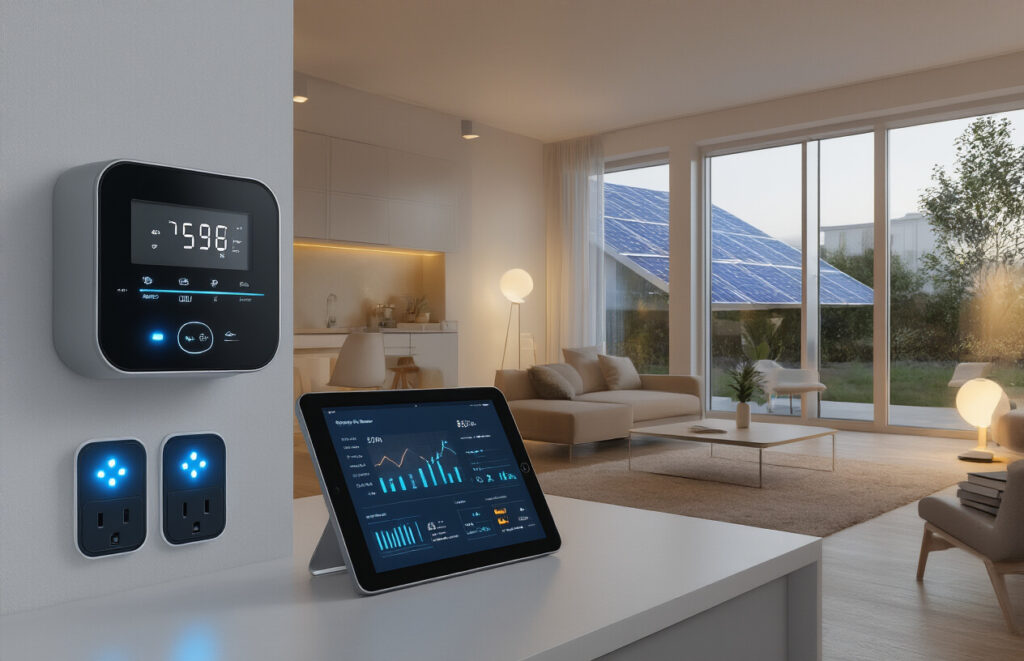
Smart plugs that eliminate phantom energy drain automatically
Smart plugs represent one of the simplest yet most effective entry points into energy management automation. These intelligent devices tackle phantom loads – the energy consumed by electronics even when they’re turned off or in standby mode. Traditional electronics like televisions, gaming consoles, coffee makers, and chargers continue drawing power around the clock, typically accounting for 5-10% of your total energy bill.
Modern smart plugs equipped with AI algorithms learn your usage patterns and automatically cut power to devices during inactive periods. When you consistently turn off your TV at 11 PM, the smart plug remembers this pattern and begins shutting off power automatically. The device maintains enough intelligence to avoid disrupting scheduled recordings or updates while eliminating unnecessary energy waste.
Advanced models include occupancy sensors and scheduling features that work together seamlessly. Your home office setup can power down completely when you leave for work, then intelligently restore power before your return. Some smart plugs even communicate with other home automation systems, creating coordinated energy-saving scenarios throughout your living space.
The setup process requires no technical expertise – simply plug the device into your outlet, connect your electronics, and download the companion app. Most models provide detailed energy consumption reports, showing exactly how much money you’re saving monthly while reducing your carbon footprint.
Solar panel integration with intelligent energy storage
Solar integration with smart energy storage creates a comprehensive renewable energy ecosystem that adapts to your household’s unique consumption patterns. Modern AI-powered systems analyze weather forecasts, historical energy usage, and real-time grid conditions to optimize when to store, use, or sell excess solar energy back to the utility company.
The brain of these systems lies in intelligent inverters and battery management controllers that make split-second decisions about energy allocation. On sunny mornings, your system might charge batteries to 80% capacity while simultaneously powering your home’s daytime needs. As afternoon approaches and peak electricity rates kick in, the AI automatically switches to battery power, avoiding expensive grid electricity.
Smart energy storage systems also prepare for weather events by monitoring forecasts days in advance. Before a cloudy week, the system ensures batteries reach full capacity and may even draw some grid power during off-peak hours to guarantee continuous operation. During extended sunny periods, excess energy gets sold back to the grid at optimal market rates.
Battery integration adds resilience during power outages, with AI systems managing critical loads first. Your refrigerator, security system, and essential lighting receive priority, while non-critical devices wait until power returns or battery levels improve.
Feature | Benefit | Typical Savings |
|---|---|---|
Peak shaving | Avoid high electricity rates | 25-40% on energy costs |
Grid sell-back | Earn from excess production | $200-800 annually |
Backup power | Maintain critical systems | Priceless during outages |
Real-time energy usage monitoring and cost tracking
Comprehensive energy monitoring transforms invisible electricity consumption into actionable insights that drive meaningful behavioral changes. Smart meters and whole-home monitoring systems break down energy usage by individual circuits, appliances, and even specific rooms, revealing exactly where your money goes each month.
Real-time dashboards display current consumption alongside cost calculations based on your utility’s time-of-use rates. You’ll quickly discover that running your dishwasher at 2 PM costs three times more than using it at 10 PM. These systems send push notifications when consumption spikes unexpectedly, alerting you to issues like a failing appliance or forgotten devices.
Advanced monitoring platforms use machine learning to identify individual appliances based on their unique electrical signatures. Without installing sensors on every device, the system recognizes when your water heater cycles on, your air conditioner starts, or someone uses the microwave. This appliance-level detail helps prioritize energy-saving upgrades and identify the biggest power hogs in your home.
Historical trending reveals seasonal patterns and the impact of efficiency improvements. After installing a new HVAC system or adding insulation, you’ll see precise measurements of your savings over time. Many systems integrate with smart thermostats, water heaters, and other connected devices to create automated energy-saving rules based on your consumption patterns and preferences.
Budget tracking features set monthly spending limits and provide early warnings when you’re approaching your target. Some platforms even gamify energy savings, comparing your efficiency with similar homes in your neighborhood while suggesting specific actions to reduce consumption.
Automated Cleaning Solutions for Effortless Maintenance
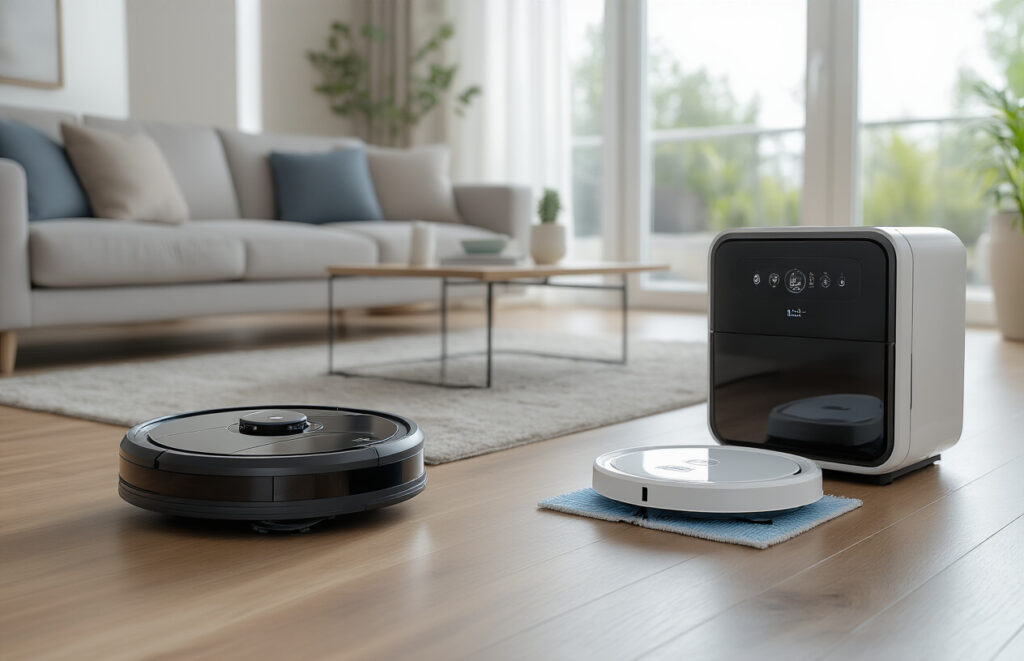
Robotic vacuum cleaners with smart mapping and scheduling
Modern robotic vacuums have come a long way from their early bump-and-go ancestors. Today’s AI-powered models create detailed floor plans of your home using advanced sensors, cameras, and LiDAR technology. These smart maps allow the vacuum to clean methodically rather than randomly, ensuring every corner gets attention while avoiding obstacles like furniture legs and pet toys.
The scheduling capabilities are where these devices really shine. You can set up cleaning routines that match your lifestyle perfectly. Want the living room cleaned every weekday at 10 AM after everyone leaves for work? Done. Need the kitchen tackled twice daily after meals? Easy. Many models even learn your patterns over time, adjusting their cleaning intensity based on high-traffic areas and seasonal changes.
What makes these vacuums truly intelligent is their ability to adapt on the fly. If someone accidentally leaves shoes in the hallway, the vacuum maps around them and returns later to finish the job. Some premium models can even detect different floor types and automatically adjust suction power when moving from hardwood to carpet.
Self-emptying systems that require minimal user intervention
Self-emptying robot vacuums represent a major leap toward truly hands-off cleaning. These systems feature a charging dock that doubles as a debris disposal station. When your robot finishes cleaning or its dustbin fills up, it automatically returns to the dock and empties itself into a larger bag or bin.
The convenience factor is huge. Instead of emptying the robot’s tiny dustbin after every cleaning session, you might only need to change the dock’s bag once every month or two, depending on your home’s size and how much debris it collects. This makes robotic cleaning practical even for busy households or people who travel frequently.
Many self-emptying systems also include maintenance alerts through smartphone apps. They’ll tell you when it’s time to replace filters, clean sensors, or change disposal bags. Some high-end models even wash and dry their own mopping pads, taking automation to the next level.
Integration with other smart devices for coordinated cleaning
The real magic happens when your cleaning robots work alongside other smart home devices. Picture this: your motion sensors detect that everyone has left the house, triggering your robot vacuum to start its cleaning cycle. Meanwhile, your smart air purifier kicks into high gear to capture any dust particles stirred up during vacuuming.
Smart home integration allows for some pretty clever cleaning choreography. Your robot can communicate with smart door locks to avoid cleaning when guests arrive unexpectedly. It might pause when your video doorbell detects a delivery, or coordinate with your smart blinds to ensure optimal lighting for its cameras during cleaning.
Voice assistants add another layer of convenience. You can ask Alexa or Google to send your robot to clean up a specific spill in the kitchen, or schedule an extra cleaning session before dinner guests arrive. Some setups even allow your cleaning robot to trigger other devices – like turning on bathroom fans after it finishes mopping, or adjusting your HVAC system to circulate air during deep cleaning sessions.
The coordination extends to scheduling too. Your robot can work with smart thermostats to clean when energy rates are lowest, or coordinate with other automated systems to create comprehensive home maintenance routines that require zero input from you.
Personalized Morning and Evening Routines
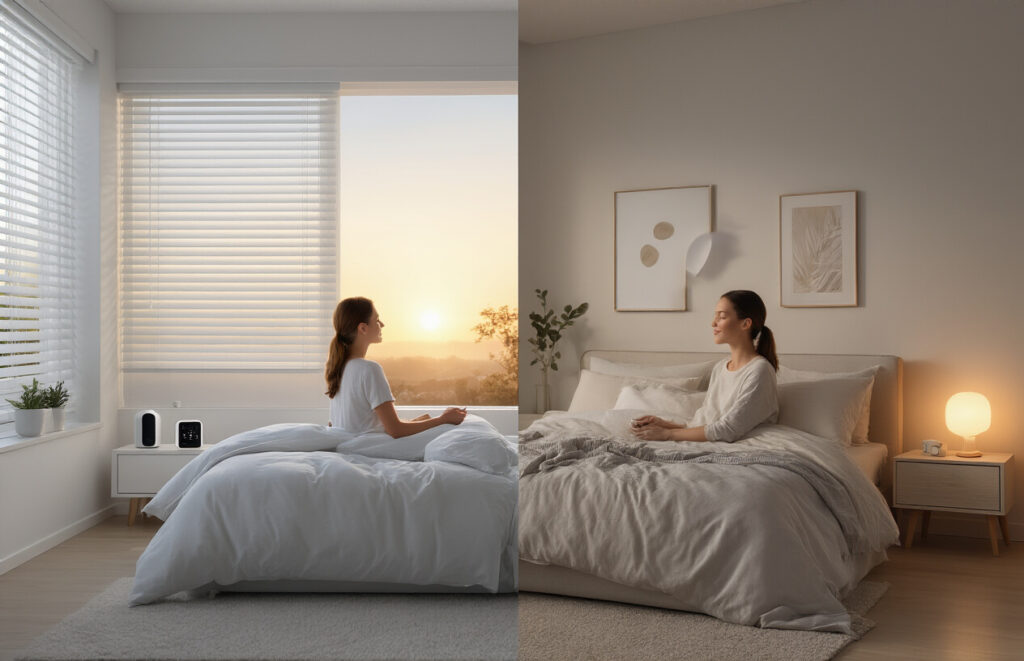
Automated Wake-Up Sequences with Gradual Lighting and Music
Smart wake-up sequences transform how you start each day by mimicking natural sunrise patterns. Your AI system can gradually brighten bedroom lights over 15-30 minutes before your alarm, helping regulate your circadian rhythm and making mornings feel less jarring. Popular smart bulbs like Philips Hue or LIFX can shift from warm amber to bright white, simulating natural daylight progression.
Music integration adds another layer of comfort to your wake-up routine. Spotify Connect, Apple Music, or Amazon Music can automatically play your preferred morning playlist at gradually increasing volumes. Some systems even analyze your sleep patterns through wearables like Fitbit or Apple Watch, timing the light and sound sequence for when you’re in lighter sleep phases.
Temperature control completes the perfect wake-up environment. Your smart thermostat can warm the house 30 minutes before your alarm, so you’re not stepping into a cold room. Coffee lovers can connect smart plugs to their coffee makers, brewing fresh coffee as the lights begin their sunrise simulation.
Bedtime Routines That Secure Your Home and Optimize Sleep Environment
Evening automation creates a protective cocoon around your home while preparing your body for rest. A single “goodnight” command or scheduled routine can lock all smart doors, arm your security system, and close motorized blinds simultaneously. Smart door locks like August or Yale automatically engage, while security cameras switch to night mode and motion detection becomes more sensitive.
Sleep environment optimization happens automatically as bedtime approaches. Smart thermostats drop the temperature to your preferred sleep setting (typically 65-68°F), while air purifiers increase their filtration to remove allergens and pollutants. Blackout smart blinds or curtains block external light sources, and white noise machines or smart speakers can play sleep sounds.
Blue light reduction across all devices protects your natural melatonin production. Smart TVs, tablets, and phones can automatically switch to night mode, while smart bulbs shift to warm, dim lighting throughout the house. Some advanced systems even detect when you’ve put your phone down and automatically dim all lights to near-darkness levels.
Weather-Based Adjustments to Your Daily Preparation Routine
Weather integration makes your morning routine perfectly tailored to outdoor conditions. Your smart home pulls real-time weather data and adjusts multiple systems accordingly. On rainy days, heated bathroom floors activate earlier, towel warmers turn on, and your smart mirror displays umbrella reminders alongside weather alerts.
Cold weather triggers additional heating in frequently used areas like bathrooms and kitchens, while your smart garage door can warm up before you leave. Hot summer days prompt your AC to pre-cool your car (if you have a smart car or garage system) and activate UV protection reminders on smart mirrors.
Air quality sensors work with weather data to optimize indoor environments. High pollen days trigger air purifiers to run at maximum capacity and keep windows closed, while your system might suggest taking allergy medication through smart home displays.
Integration Across Multiple Devices for Seamless Transitions
True routine magic happens when all your devices communicate effortlessly. Popular platforms like SmartThings, Hubitat, or Home Assistant serve as central command centers, orchestrating complex sequences across different device brands and protocols.
Voice assistants become routine conductors, responding to simple phrases like “start my day” or “time for bed” with dozens of coordinated actions. Your morning routine might begin when your phone’s alarm goes off, triggering lights, music, coffee maker, and bathroom heater in perfect sequence.
Geofencing adds intelligence by detecting when you leave or return home, automatically transitioning between routines. Leave for work, and your system switches to “away mode” – adjusting temperature, activating security, and turning off unnecessary devices. Return home, and evening routines gradually activate, welcoming you back with perfect lighting and climate settings.
Cross-platform integration works best with devices supporting Matter (the new universal smart home standard) or using hub solutions that bridge different protocols like Zigbee, Z-Wave, and Wi-Fi devices into unified experiences.
Getting Started: Setup and Integration Tips for Beginners
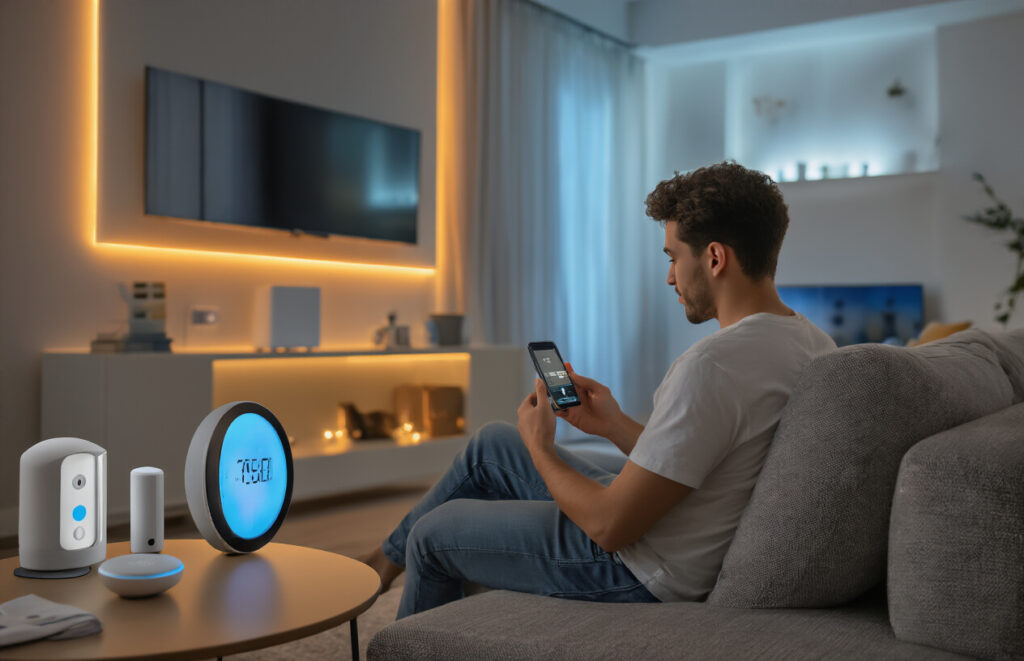
Choosing compatible devices that work together seamlessly
Building a smart home starts with picking devices that actually talk to each other. Think of it like creating a neighborhood where everyone speaks the same language. The three main “languages” your devices might use are Zigbee, Z-Wave, and Wi-Fi.
Start with a smart hub that supports multiple protocols. Amazon Echo Plus, Samsung SmartThings, or Hubitat Elevation are solid choices that can handle different device types. This gives you flexibility as you expand your setup.
Stick to major brands initially – Philips Hue for lighting, Nest or Ecobee for thermostats, and Ring or Arlo for security cameras. These companies have proven track records and regularly update their software.
Check compatibility before buying anything. Most product pages list which platforms they work with. Look for “Works with Alexa,” “Google Assistant compatible,” or “Apple HomeKit certified” badges.
Create a simple spreadsheet tracking your devices, their protocols, and which hub controls them. This prevents headaches later when you’re wondering why your bedroom light won’t respond to voice commands.
Step-by-step installation process for your first smart home devices
Start with smart plugs – they’re practically foolproof and give instant gratification. Download the manufacturer’s app, plug the device into your wall outlet, then follow the app’s setup wizard. Most apps will guide you through connecting to your Wi-Fi network.
For your second device, try a smart bulb. Screw it into any standard lamp, turn the light switch on, and use the app to connect it to your network. Test basic functions like dimming and color changes before moving on.
Smart thermostats require a bit more work but aren’t scary. Take a photo of your current thermostat’s wiring before disconnecting anything. Most new smart thermostats include wire labels and step-by-step guides. The hardest part is usually just removing the old unit.
Always update device firmware immediately after installation. Manufacturers regularly release security patches and new features. Set up automatic updates when possible.
Test each device individually before connecting it to other systems. Make sure your smart bulb responds to the app before trying to control it with Alexa.
Budget-friendly approaches to building your automated home
Smart home automation doesn’t require breaking the bank. Start with a $20-30 smart plug to control lamps and small appliances. Add a $15 smart bulb for your most-used room. These two devices alone give you voice control and scheduling for under $50.
Buy devices during major sales events like Black Friday, Prime Day, or end-of-year clearances. Retailers often bundle smart home starter kits at significant discounts.
Consider generic brands for basic functions. Wyze, Kasa, and Sengled offer reliable devices at fraction of premium brand costs. Save your bigger budget for complex devices like security cameras or hubs where quality matters more.
Focus on high-impact, low-cost upgrades first:
Smart plugs for existing lamps ($15-25 each)
Programmable smart switches ($20-35 each)
Smart bulbs for frequently used rooms ($10-20 each)
Basic security cameras ($30-50 each)
Buy incrementally rather than all at once. This spreads costs over time and lets you learn what you actually use before investing in more expensive systems.
Troubleshooting common connectivity and setup issues
Wi-Fi problems cause 80% of smart home headaches. Place devices within reasonable range of your router – walls and distance kill signals. If your Wi-Fi doesn’t reach everywhere, invest in a mesh network system or Wi-Fi extenders.
Many smart devices only work on 2.4GHz networks, not 5GHz. Check your router settings and create a separate 2.4GHz network if needed. Name it something obvious like “MyHome_2.4G” so you remember which one to use.
When devices won’t connect, try the classic IT solution: unplug everything for 30 seconds, then plug back in. Start with your router, wait two minutes, then power up devices one at a time.
App-related issues often resolve with clearing the app cache or reinstalling completely. Sign out of your account, delete the app, restart your phone, reinstall, and sign back in.
Keep a simple troubleshooting checklist:
Is the device powered on?
Is Wi-Fi working on other devices?
Are you using the correct network (2.4GHz vs 5GHz)?
Is the device within range of your router?
Have you updated the app recently?
Most manufacturers offer chat support or phone help. Don’t hesitate to contact them – they want your devices working properly too.
Vist Smart Speakers Article
Conclusion
Smart home automation doesn’t have to be overwhelming or expensive to get started. These ten AI-powered ideas show how you can gradually transform your living space into a more comfortable, efficient, and secure environment. From smart lights that adjust to your sleep schedule to kitchen assistants that help with meal prep, each system works together to make daily life easier while cutting down on energy costs and maintenance tasks.
The best part about starting your smart home journey in 2026 is that the technology has become more user-friendly and affordable than ever. Begin with one or two systems that address your biggest daily challenges, whether that’s managing your home’s temperature, improving security, or streamlining your morning routine. As you get comfortable with these basics, you can gradually add more features and create a fully integrated smart home that truly understands and adapts to your lifestyle.